Haunted Eyes

I’m not a young man any more, in fact, at 42, I was born closer to the end of World War 2 than today. My parents are both baby boomers. Their parents fought the war. When I was born less than 38 years had passed since Japan surrendered and ended the war. I heard the stories. The good and funny, like fishing with grenades or flights with a crazy pilot in a plywood plane over nazi lines and eventually I heard the bad stories too. When I was in 3rd grade a Holocaust survivor came to our class and showed us the tattoo on her arm that the nazis put there. Clearly those of us who knew them will never forget their stories because to be honest there are far more bad stories than good.


I’m thinking specifically of Herky, for those of you who remember him you’ll never forget him, for those who never had the pleasure imagine a tough guy, NYC kid from Five Points, soldier, farmer, who is also the life of the party with a sense of humor akin to Groucho Marx. He was not above wigs or props to get a laugh.


One day while he was cleaning the house he had owned since the end of the war, the money for which he won playing craps on the boat home from Europe, he found a roll of film. I had access to a developer at the time so I got what photos I could off of it. As we looked at pictures of Patton’s army on the moving to relieve the Bulge he meandered a bit. A lieutenant no one liked crashing his jeep, dealing with an enemy messenger in the Netherlands.


But then he told me something that I had never heard and is forever burned in my brain. He was in the artillery and when not actively firing the big guns they sometimes cleaned up after the infantry had moved through quickly. He was among a group of men tasked with examining a prison camp, barracks, barbed wire, but the nazis had run. It was a concentration camp. They opened the gates and walking skeletons appeared from the barracks. Herky saw a barn and went to the door. He opened it.
And that’s when he lost the ability to talk. I don’t know specifically what he saw, but I know it was horrible. Even now, the look on his face and in his eyes haunts me. He saw firsthand what fascism does to innocent people.


Now some on the right are trying to make the Holocaust disappear. Some deny it ever happened. Some deny how bad it was. A right-wing pundit recently suggested we should have sided with them in the war.
Never will I work with a nazi. Never will I excuse nazis. Never will I stop emailing senators and congressmen when they collaborate in any way with the new nazis trying to take over this country. I hope this can be reigned in before it goes where I and many people are afraid it could go. Though the eyes of my grandfather I know what nazis do and that we can never allow that to happen again in any form.

Complaints Against the King

He has endeavoured to prevent the population of these States; for that purpose obstructing the Laws for Naturalization of Foreigners; refusing to pass others to encourage their migrations hither, and raising the conditions of new Appropriations of Lands.

He has made Judges dependent on his Will alone, for the tenure of their offices, and the amount and payment of their salaries.

He has erected a multitude of New Offices, and sent hither swarms of Officers to harrass our people, and eat out their substance

For cutting off our Trade with all parts of the world:

For imposing Taxes on us without our Consent:

For depriving us in many cases, of the benefits of Trial by Jury:

For transporting us beyond Seas to be tried for pretended offences:

He has excited domestic insurrections amongst us

……

Every one of these complaints can be levied against the current occupier of the White House. Every single one. His policies on immigrants are discouraging full time immigration and even short-term vacationing which is a blow to the economy.

He illegally created an extra-legislative department that has fired thousands of people and put an end to most aid programs, leaving children to starve abroad and even here in America.

His tariffs are both bringing foreign trade to a screeching halt and forcing American citizens to pay a tax that no one wanted or needed.

He’s arresting and deporting migrants without trial or any kind of due process, most recently a two-year-old American citizen. He took away advocates for migrant children meaning that infants and toddlers are expected to defend themselves at immigration hearings.

He literally led a violent uprising in the United States Capitol. Police officers died, and where permanently injured trying to defend the building against the crowd attempting a coup. As soon as he could he pardoned all of them and called them good Americans.

But these are not charges against the modern White House. These are selected complaints, aimed at King George III, in the Declaration of Independence. When he doesn’t understand why people protest against him, it’s not “Trump derangement syndrome”, it’s that what he and his stooges are doing goes against the ideals woven into the start of this country. Why protest? Because this is what colonists were fighting against what they stood up for.

So not only is he positioning himself as the next Hitler, with concentration camps, a people to blame all of America’s problems on, attempting to control the courts, the schools, the media, threatening to keep power even when his constitutionally allowed term ends and generally taking the Constitution and wiping his ass with it, he is making himself king.

But perhaps there in lays his downfall.  We’re currently commemorating the 250th anniversary of the founding of this country. They didn’t take kindly to kings in 1776 and I don’t think Americans will take kindly to one now.

Forgot to post this a little while ago. Happy to be named to this list.

The Newfoundland Irish Beauty

After a series of mysterious fires roared across New York City in 1741, the ruling class lost their minds. They saw conspiracies everywhere; it was an uprising among the enslaved, the poor were rising up, or it was an uprising by the Catholics who supported the Catholic Spanish in the truly stupid war that the English was fighting with his most Catholic Majesty; The War of Jenkins’ Ear.

            Arrests began almost immediately. Hundreds of enslaved men and women were arrested as well as a number of white people suspected in the conspiracies.

            Among those arrested was a woman named Peggy Kerry. Peggy was famous for her flaming red hair, her personality, and was known around town as the “Newfoundland Irish Beauty.”[1] This hints at her ancestry. Perhaps she was Irish who passed through Newfoundland on her way to New York or perhaps she was born in Newfoundland of Irish parents. Either way she must have been desperate to risk a trip to New York and take up her chosen profession.

            Peggy was one of the most notorious prostitutes in New York. Part of her notoriety came from the fact that she was an equal opportunity prostitute. Some people even called her “Negro Peg.”[2]

            Peggy’s life in New York. She may have lived at a boarding house owned by a free Black man named Frank.[3] From there she may have worked out of a tavern owned by John Hughson that was less than savory. There is also a chance she may have roomed right at the tavern. She had a boyfriend or pimp named Ceaser who belonged to a man named John Vaarck. She was also seven months pregnant when she was first arrested, supposedly with Ceaser’s child, although given her avocation, how she knew the father is something of a mystery. Sadly, the baby is never mentioned after her arrest so it may not have survived birth or the first few weeks of life.[4]

            After Peggy was arrested, she was initially obstinate refusing to speak, but given the chance to save her life she began to speak. She was the one that suggested the plot was an uprising by the poor against the rich. She began to name names. A lineup of men was marched past her and she picked out more conspirators.[5] She gave a confession, which was written down for her and she signed with an “X”.[6]

            Despite this Peggy was put on trial with John Hughson, his wife, and his daughter. Hughson was accused of being a ringleader of the conspiracy. Its likely that she was put on trial despite possible earlier promises of clemency, Daniel Horsmanden, the prosecutor found her choices of who she lay with to be reprehensible. The trial got off to an interesting start when the jurors were brought in. A young man in the jury began to look very uncomfortable. Peggy said that he had “challenged one of the best of them all.” He was a client of hers. Laughter rang through the court room as he was removed.[7]

            That was the last mirth Peggy would have. The scant evidence against her was presented, among which was the belief, without clear source, that she was a Catholic, she was convicted. She was brought to the gallows with the Hughsons. They remained quiet although Peggy seemed prepared to say something to the assembled crowd, Mrs. Hughson gave her a nudge and she remained quiet. Shortly there after the Newfoundland Irish Beauty swung from the gallows.


[1] Fischer, David Hackett African Founders: How Enslaved People Expanded American Ideals Simon and Schuster, New York 2022 pg151

[2] Lepore, Jill New York Burning: Liberty, Slavery, and Conspiracy in Eighteenth -Century Manhattan Vintage Books, New York  2005 pg 156

[3] Fischer pg 151

[4] Lepore pg 38, Fischer pg151

[5] Lepore pg 150,

[6] Lepore pg 113

[7] Famous-trials.com/newyorkplot/355-hughsons accessed 4/21/24

On Fear

I lay awake at night and I feel afraid. I’m afraid for my children, afraid for my wife, afraid for my parents, afraid for all the people I love and what could happen to them.

For some reason I was laying in bed the other night, being afraid, and the national anthem popped into my head. “The home of the brave.” line stuck with me.

Our country is afraid. Our country was built on fear. Our country is ruled by fear. The fear started with rich colonists who were afraid that parliament was going to take away their land and their money. They spread their fear to the lower classes and a revolution occurred.

The Articles of Confederation and the Constitution are both documents written out of fear. The Articles were so fearful of centralized government as to be useless. The Constitution is nothing but fear. The compromises made were made out of fear. The south feared their slaves were going to be taken away, they were afraid of being dominated by the north. They were afraid of an army.

The fear persisted into the 19th century. Fear of immigrants. The south lived in fear of their enslaved people and also in fear that they would be taken away. They feared the later so much that they committed treason and fought against the United States in an effort to keep the right to own people.

It only got worst in the 20th century. Fear of communism led to the Cold War, the space race, star wars, the Korean War, The Vietnam War and too many other small conflicts to count. White people were afraid of what would happen if black people had equal rights. Men were afraid of what would happen if women had equal rights.

Today, fear is the overwhelming mood of our country. The right is fearful of what the left is going to take away from them, stoked by Fox News. The left is afraid of what the right will take away if given the chance, and rightfully so. People still fear the other, a person of a different race, a person from a different place, people who love differently, people who think differently.

I’m afraid. I’m afraid for my family and my friends and my country. I’m afraid that the fear that has been sown in the last 250 years of the country’s existence has reached a point where its to much to overcome.

What the Fuck Does the Second Amendment Actually Mean?

The Second Amendment to the United States Constitution; “A well regulated Militia, being necessary to the security of a free State, the right of the people to keep and bear Arms, shall not be infringed.” The amendment was passed by Congress on September 25, 1789 and ratified on December 15, 1791 as part of the first ten amendments to the Constitution, The Bill of Rights.

First lets talk about what the Second Amendment is not. The Second Amendment is not a god-given right to own guns. No rights in the Constitution are god given. All rights in the Constitution derive from “We the People…” In fact if you really want to piss off overly religious conservatives, remind them the Constitution does not mention god or anything divine once.

The Second Amendment was also never intended to give anyone the right to defend themselves against the tyranny of the government. James Madison, Alexander Hamilton, George Washington, Benjamin Franklin and the rest of the delegates hadn’t spent four months creating a government full of checks and balances for some dirt farmer to try to decide what tyranny was. The president could veto a law from the legislature he felt was unjust, the legislature could override the veto if they felt the veto was unjust. Any president or legislator could be impeached if they behaved in a way unbecoming of their office. Add to the judicial review as established in the 1808 case of Marbury v. Madison and you’ve got what should be, in theory, a government incapable of tyranny.

No, the free state that the Second Amendment refers to is the United States of America, state being used here as a synonym for country as is grammatically correct. In 1789 the freedom of the United States was fragile at best. A standing army wasn’t event authorized by Congress until September 29, 1789, the last day of the first session of Congress. Despite the lessons of the Revolutionary War many politicians still believed that a militia could stand up to a trained, professional army. The most obvious army they might have to stand up to was the British army. The British were still stinging from their defeat in the war and had decided not to abide by several clauses of the 1783 Treaty of Paris that ended the American Revolution, among those was there refusal to abandon forts in the Northwest Territory that had been turned over to the United States in the treaty. It would take a whole other treaty in 1794, commonly known as the Jay Treaty, for the British to finally give up those forts. But in truth any of the major European powers could have sought to bring the mewling infant of the United States under their sway, Spain, France even the Dutch.

Of course there was also the domestic threat by Native Americans, whom the Americans were actively trying to push off their land. When ever and where ever they chose to fight back against the encroachment violent and bloody confrontations followed.

Foreign powers and Native Americans were the threats to a “free State”, not the government itself.

So let’s now turn to the opening clause of the Amendment, “A well regulated Militia”. Contrary to today’s perception of militias which consist of a bunch of misogynistic, white supremacists getting together in the woods with body armor that doesn’t go over their beer guts desperate to prove that they do in fact have penises despite the fact that said beer guts have kept them from seeing them in several years. Although I suppose the misogynistic and white supremacist parts could hold true considering the new government that had been created did not acknowledge women as people, allowed black people to be owned by white people, only counted black people as 3/5 of a human being and actually took away many people’s right to vote.

No, in 1789 a militia was a government run organization. Having studied militia law in New York extensively I offer this state as a case study. Militia law was renewed year to year but the basics stayed the same. The militia belonged to the individual state but could be called out at the request of the federal government for the common defense ( This is in Article 1, Section 8 of the Constitution). Each county in the state was considered a regiment and was commanded by a colonel who was selected by the state. Reporting to him were captains who were frequently elected by their local constituents and tended to be the richer, more affluent men of the district rather than anyone with any real military knowledge.

It was the captain’s job to ensure his district, or company as it was known, was ready to fight. This meant that all the firearms in each house were registered with the captain to ensure that all men age 16 to 62 had access to a gun. If for some reason a household contained more guns than people of fighting age, those guns could be seized in times of trouble to give to people who did not own weapons of their own. In addition to registering your gun, you were required to report the amount of gunpowder and shot you had on hand along with any cartridge boxes, bayonets, swords, hatchets and if required preserved food that could be used on a march.

The captain would report all this to the colonel of the regiment who would in turn give it to the state so they would know exactly how well their citizens were armed. Once a month men of fighting age were required to turn out for a day of drill with their companies and once a year they were required to turn out with the entire regiment. These musters, as they were known, ensured that the men knew how to properly use their guns and that they were in good repair. Failure to turn up without the equipment you had registered to your name could result in pretty hefty monetary fines.

Some regiments, and it became almost universal during the 19th-century, required uniforms for the militia that each man was responsible for purchasing and maintaining on their own dime.

It can be argued that the American Civil War and the creation of the National Guard was what finally did away with the militias that the Second Amendment protected, although the militias performed pretty wretchedly in the War of 1812 as well. Again, militias could not stand up to a trained, professional army. But lets say for arguments sake that the Civil War was the end of the militia as the Second Amendment sought to protect, people have been fighting, viciously, for the last 160 years over what a now defunct amendment to the Constitution means.

The Second Amendment does not say anything about weapons used to hunt for food. It also does not mention anything about an individual’s right to defend themself with a gun, although in a monumental case of judicial overreach the Supreme Court, in the 2008 case of District of Columbia v. Heller, decided that the Second Amendment did in fact allow people to own guns for self defense.

The Second Amendment was never about owning guns. It was about the right to join a militia. A state run, well organized and fully registered militia to defend the United States of America.

The problem is it has been warped over the the last 160 years into something it was never intended to be. The gun lobby has bought, lock, stock, and barrel, if you’ll excuse the phrase, the Republican party. The gun lobby doesn’t care about the safety of the people because they want to sell more guns. In fact they want the guns they sell to create more fear in the hopes that more people will in turn buy more guns. And the Republicans are happy to let them do it because the gun lobbyists and the Super PACs they run are giving millions of dollars to them. Millions.

The Second Amendment is the appendix of the Constitution. It is a vestigial organ that serves no purpose in the modern world. It can be argued that the Constitution, because it was written at time when muskets were “the” weapon of war, allows people to carry weapons of war. However the Constitution, despite what the originalists say was created as a living, breathing document. As a people we have changed it over the years; women can vote and hold office, private citizens can not hold slaves anymore, black people are now full people with the same rights as all American citizens. We’ve made mistakes with it too. We used the Constitution to ban the sale of alcohol in the United States and we used the Constitution to undue that amendment.

The Second Amendment should be repealed. It should. There are no more militias, therefore it is unnecessary for any private citizen to own a weapon of war. We have a standing army now, those guys playing with their guns and their tally whackers in the woods are never going to be called upon to protect anybody.

I’m not talking about taking away your hunting rifle. My grandfather hunted deer his whole life with a single shot rifle and filled his tags every year. No one needs a semi-automatic gun with multiple high capacity magazines to kill a deer. If you do need that you should probably give up hunting because you suck. I have heard people say that they need those guns to fight off wild boars in the south. You want to hunt wild boar? You can buy a boar spear on Amazon. Boar spears have been good enough for thousands of years, and now they have carbon fiber handles and all kinds of features. Prove you’re a man and use a spear.

To put it simply no one should be able to buy an assault rifle and nearly 400 rounds of ammunition at any time. They should not be allowed to walk into a school and destroy untold numbers of lives because they are angry the girl they asked to the prom said no. They shouldn’t be able to fire bullets that decapitate and blow off limbs with one shot. They shouldn’t.

What breaks my heart is that we had a demonstrably effective law against these types of weapons. It worked. Was it perfect? No. Did people still die from gunshots during the assault weapons ban. Yes. But did a lot less people die from gun shots during the assault weapons ban. Yes.

It was during the Republican administration of George W. Bush and the Republican controlled legislature that the assault weapons ban was allowed to expire. Hell, it was because of the Republican party that the assault weapons ban had a time limit any way. But of course, as we have seen, if the Republicans don’t bow down and service the NRA and the gun lobby than they don’t get their money.

This is a uniquely American problem. A problem that Republican leaders are keen to ignore because of the money. Somehow they are able to sleep each night knowing that the blood of thousands of people, thousands of innocent children who never had a chance at life, is on their hands because their bank accounts got a little bigger. And it truly is that. NRA and gun lobby spending go up every time there is a mass shooting, just on the off chance that one of the politicians they have purchased might develop a conscience.

So we are stuck in an endless cycle of doing nothing. A gunman kills dozens, often times children, the Republicans offer thoughts and prayers with one hand while taking their money in the other, Democrats call for change but they don’t have the votes to do anything meaningful. Then it all happens again.

Despite the checks and balances of the United States Constitution the system is broken. We are being held hostage by the minority. Right now Republicans represent, in both houses, millions less people than the Democrats yet they are able to prevent any legislation from happening. What’s truly astounding is that they are holding up legislation that their own constituents want because they are so deep in the pockets of guns. 90% of Americans would agree that universal background checks are a good idea. Yet nothing happens.

Nothing happens. Meaningful legislation seems impossible. There’s too much money in politics to take money out of politics. There’s not enough will to do anything. Mitch McConnell, Ted Cruz and their ilk have managed to break the United States government. The whole goddamn confederate army couldn’t do that. The Nazis couldn’t do that. But they have. And I don’t see the another Benjamin Franklin or George Washington to fix it. When the hell is there going to be a true profile in courage, a true patriot? Someone who says “Americans are dying by the thousands, lets fix this. Damn my party, damn the money, lets fix it.”

The Constitution was a brilliant document when it was written. A document meant to change over time. It is a sacred yet flexible document but some people refuse to see that. Refuse to understand that. It could fix the problem of gun violence in the United States. Repeal the Second Amendment, outlaw assault rifles, buyback assault rifles and destroy them. If they are found during a search of a house or car, destroy them. Make background checks mandatory for all other gun purchases in the country. This is all doable. Other countries have done it, Canada is doing it right now and they have polar bears to contend with.

I’ll finish with history. The Second Amendment is a dead amendment that needs to be swept from the Constitution just like the part of Article 1, Section 2 that excluded “Indians” and 2/5 of each black person from being counted as an American. The Constitution was designed to protect us, to allow us to be free members of society. It was never meant to be destroyed by one antiquated amendment.

The Sugar Maple Bubble: The Attempt to End Slavery with Maple Sugar


Sugar Maple Tree

            Acer Sacharinum, The sugar maple tree. Every year, about this time, thousands of Sugar Maples are tapped so that the sap can be collected. Boiled it becomes syrup or even maple sugar. And there for a very brief time in the early 1790’s intersected abolitionists, land speculators and entrepreneurs.


Benjamin Rush

  Dr. Benjamin Rush was an ardent abolitionist. He was also one of the most ardent supporters of the maple sugar. In an address read before the American Philosophical Society on August 19, 1791 Rush espoused the benefits of maple sugar. Each sugar maple could produce twenty to thirty gallons of sap which could be boiled down to five or six pounds of maple sugar. Some families had produced up to 600 pounds of sugar a year using just the family labor. And for all intents and purposes the sugar was as good if not better than the sugar that came from the West Indies. Rush even conducted an “experiment” where he, Alexander Hamilton, a merchant by the name of Henry Drinker and several ladies tasted tea and coffee sweetened with cane sugar and maple sugar. It was unanimous that they could not tell the difference.[i]

             And that was the key for Rush. If Americans could make their own sugar, for their own consumption and for export, people would become less dependent on West Indies sugar and the need for enslaved people would decrease there. He got many people on his side, the Quakers who were very much against slavery were in favor of the plan to end enslavement in the harsh conditions of the West Indies. He also got Thomas Jefferson and George Washington on his side.[ii]

            In the midst of this growing interest of maple sugar, Janet Livingston Montgomery sent a sample of the sugar to Edward Newenham, a member of the Irish Parliament who she had met on her trip to Ireland in 1790. In a letter to George Washington, Newenham admitted the product was good and that if it could be commercialized would be a boon to the American economy but doubted New York could produce enough of the sugar to be effective.[iii]

            Washington replied that the manufacture of maple sugar was promising because the sugar maple tree grew in several states and that there was no reason to doubt the production of the sugar would not be profitable.[iv]

            Another great proponent of the maple sugar craze was William Cooper, founder of Cooperstown

William Cooper

and father of James Fenimore Cooper. In fact Alexander Hamilton thought no one could shed more light on the subject of maple sugar production than William Cooper.[v]He thought that the desire for maple sugar would bring more people to his land grant and he could make money selling land to the settlers moving west. He also produced his own sugar. In 1791 he expected to bring in £3,000 worth of sugar to market himself alone. For the anti-alcohol groups it was also said that less profit could be made by turning maple sugar into liquor than selling it as sugar so people were less likely to distill it. Although Thomas Jefferson thought that the liquor produced tasted exactly like whiskey.[vi]

            America was now fully in the midst of a maple sugar bubble. Benjamin Rush even formed the Pennsylvania Company of Quakers to produce maple sugar. Thomas Jefferson had more than 60 maple trees planted on the property at Monticello. It was expected that even with domestic consumption the yearly export of maple sugar would be worth at least $1,000,000.

            Then the bubble burst. Several maple sugar venture in New York failed. William Cooper found that people were not willing to move to the wilderness just to produce maple sugar. Rush’s company went bust, in debt for £1,400. Supply had outstripped demand, leaving the entrepreneurs and land speculators holding the bag. As for the abolitionists, they were disappointed that maple sugar had not been able to put the sugar islands and their associated enslavement, out of business.[vii]

            From beginning to end the maple sugar bubble lasted about three years, from 1791 and 1794. Everyone was disappointed, except for those who like the flavor of maple. Thousands of trees are still tapped every year and their sap boiled down for maple syrup and even a little maple sugar. Perhaps next time you take a bite of syrup covered pancakes you’ll think of Benjamin Rush and his attempt to use maple trees as a way to end slavery in the West Indies.


[i] Rush, Benjamin An account of the sugar maple-tree, of the United States, and of the methods of obtaining sugar from it, together with observations upon the advantages both public and private of this sugar. : In a letter to Thomas Jefferson, Esq. secretary of state of the United States, and one of the vice presidents of the American Philosophical Society. : Read in the American Philosophical Society, on the 19, of August, 1791, and extracted from the third volume of their Transactions now in the press. / By Benjamin Rush, M.D. Professor of the institutes and of clinical medicine in the University of Pennsylvania. http://name.umdl.umich.edu/N19030.0001.001accessed 3/3/21

[ii] Lucia C. Stanton, 11/90. Originally published as \”Sharing the Dreams of Benjamin Rush,\” in Fall Dinner at Monticello, November 2, 1990, in Memory of Thomas Jefferson (Charlottesville, VA: Thomas Jefferson Memorial Foundation, 1990), 1-12. https://www.monticello.org/site/research-and-collections/sugar-mapleaccessed 3/3/21

[iii] “To George Washington from Edward Newenham, 10 March 1791,” Founders Online, National Archives, https://founders.archives.gov/documents/Washington/05-07-02-0309. [Original source: The Papers of George Washington, Presidential Series, vol. 7, 1 December 1790 – 21 March 1791, ed. Jack D. Warren, Jr. Charlottesville: University Press of Virginia, 1998, pp. 538–542.]

[iv] “From George Washington to Edward Newenham, 5 September 1791,” Founders Online, National Archives, https://founders.archives.gov/documents/Washington/05-08-02-0349. [Original source: The Papers of George Washington, Presidential Series, vol. 8, 22 March 1791 – 22 September 1791, ed. Mark A. Mastromarino. Charlottesville: University Press of Virginia, 1999, p. 496.]

[v] “From Alexander Hamilton to William Cooper, 3 August 1791,” Founders Online, National Archives, https://founders.archives.gov/documents/Hamilton/01-09-02-0006. [Original source: The Papers of Alexander Hamilton, vol. 9, August 1791 – December 1791, ed. Harold C. Syrett. New York: Columbia University Press, 1965, p. 8.]

[vi] “From Thomas Jefferson to George Washington, 1 May 1791,” Founders Online, National Archives, https://founders.archives.gov/documents/Jefferson/01-20-02-0101. [Original source: The Papers of Thomas Jefferson, vol. 20, 1 April–4 August 1791, ed. Julian P. Boyd. Princeton: Princeton University Press, 1982, pp. 342–344.]

[vii] Lucia C. Stanton, 11/90. Originally published as \”Sharing the Dreams of Benjamin Rush,\” in Fall Dinner at Monticello, November 2, 1990, in Memory of Thomas Jefferson (Charlottesville, VA: Thomas Jefferson Memorial Foundation, 1990), 1-12. https://www.monticello.org/site/research-and-collections/sugar-mapleaccessed 3/3/21

Henry Brockholst Livingston: Soldier, Lawyer, Duelist, Judge

Henry Brockholst Livingston - Wikipedia
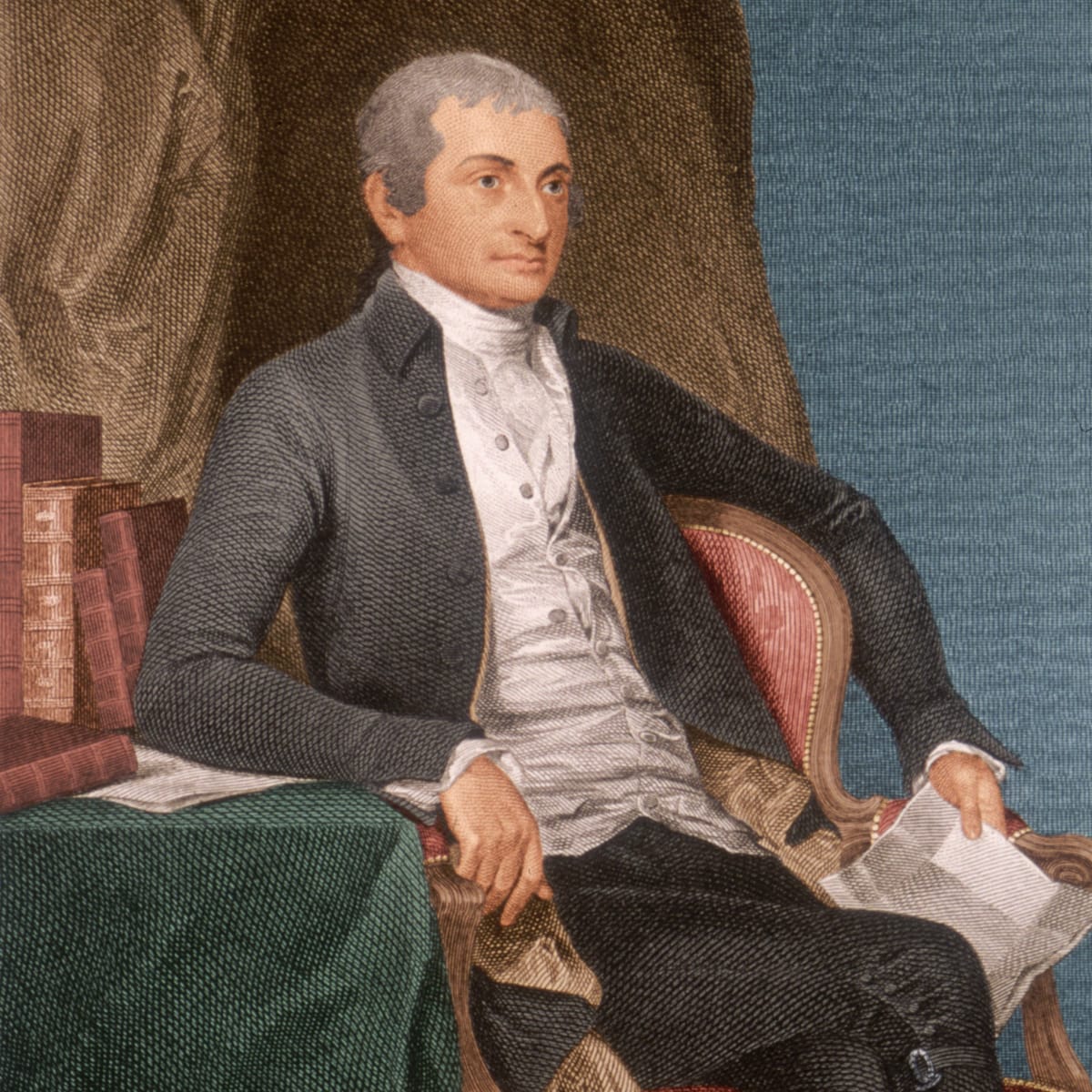
Henry Brockholst Livingston


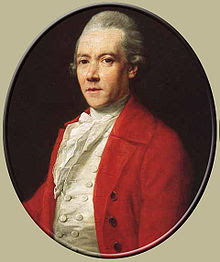
Henry Brockholst Livingston or Brockholst Livingston as he preferred to be called was born on November 25, 1757, the son of William Livingston, future governor of New Jersey, and his wife Susanna French Livingston. He was educated, eventually graduating from the College of New Jersey in 1774. One of his classmates was James Madison. Brockholst intended to continue his studies but the Revolutionary War got in the way.


Philip Schuyler


Brockholst rose to the rank of lieutenant colonel in the army. He served first as an aide to Philip Schuyler, then as an aide to Benedict Arnold during the Battle of Saratoga. He was one of the officers who signed a letter beseeching Arnold not to abandon the army between the two Battles of Saratoga.[1]

Benedict Arnold

            In 1779 he left the army on furlough to serve as personal secretary to John Jay, his brother in law and newly appointed minister to Spain. They learned French on the way across the Atlantic. Brockholst also picked up Spanish quickly in Spain. He held the post until 1782 when he returned to America. On the way back to the States, his ship was captured by the British and he was taken to New York as a prisoner. Three weeks later General Guy Carleton arrived in New York City and paroled Brockholst as a lieutenant colonel in the army. Brockholst was shocked to find that in his absence he had been “retired” from the army. He wrote to Washington, unsure if he had violated a rule of war.[2] Washington assured him he had done nothing wrong.[3]

John Jay


Henry began reading the law and in 1783 passed the New York Bar. He was in private practice from 1783-1802. In 1785 he survived an assassination attempt. He wen on in 1790 to deliver a Fourth of July address at St. Paul’s Chapel in New York City in front of President Washington and both houses of congress.[4]

            In 1798 Brockholst was accosted by a Federalist in the street (Brockholst was an ardent anti federalist) who struck his rather prominent nose. A duel ensued in which the other man was killed. (Read more about that here)

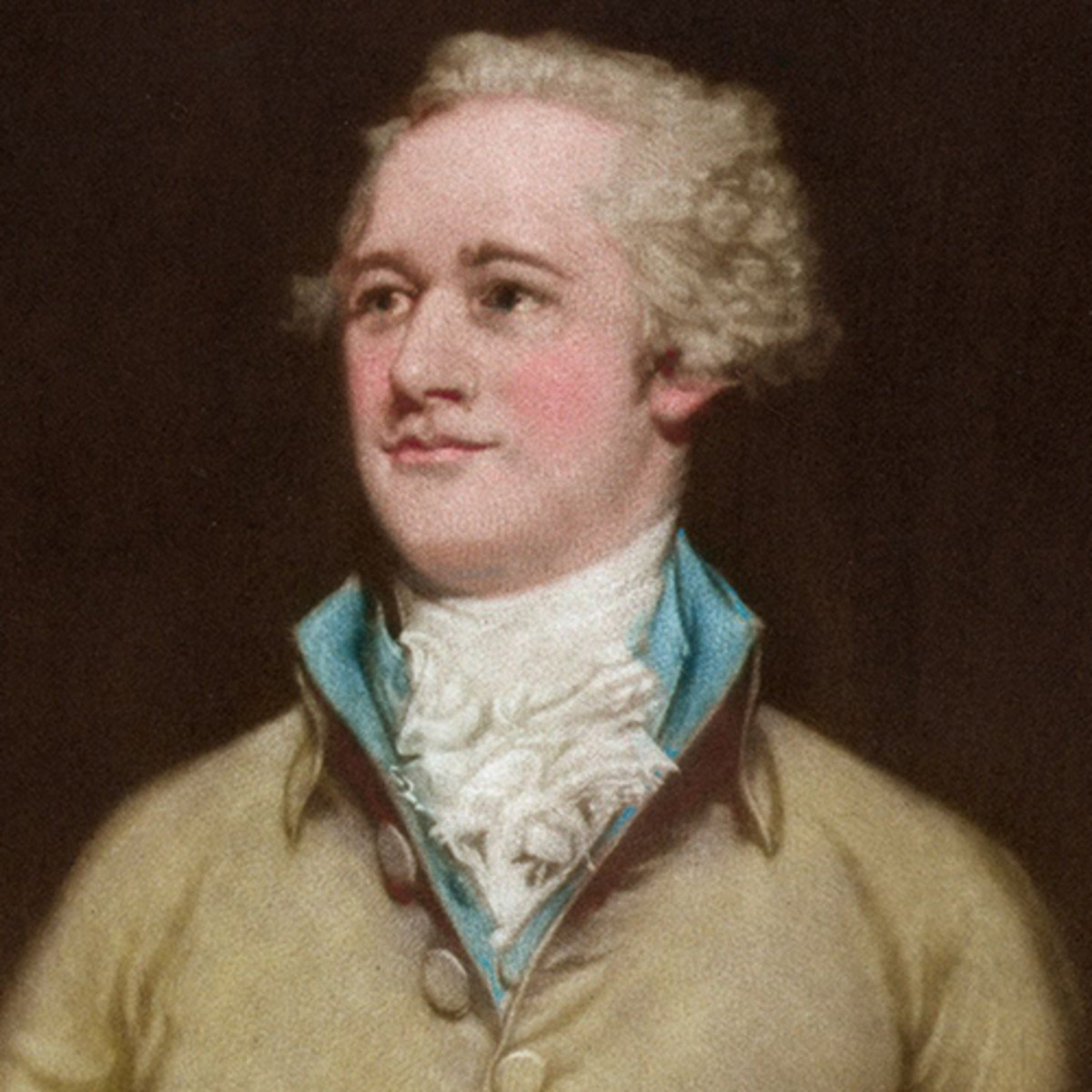
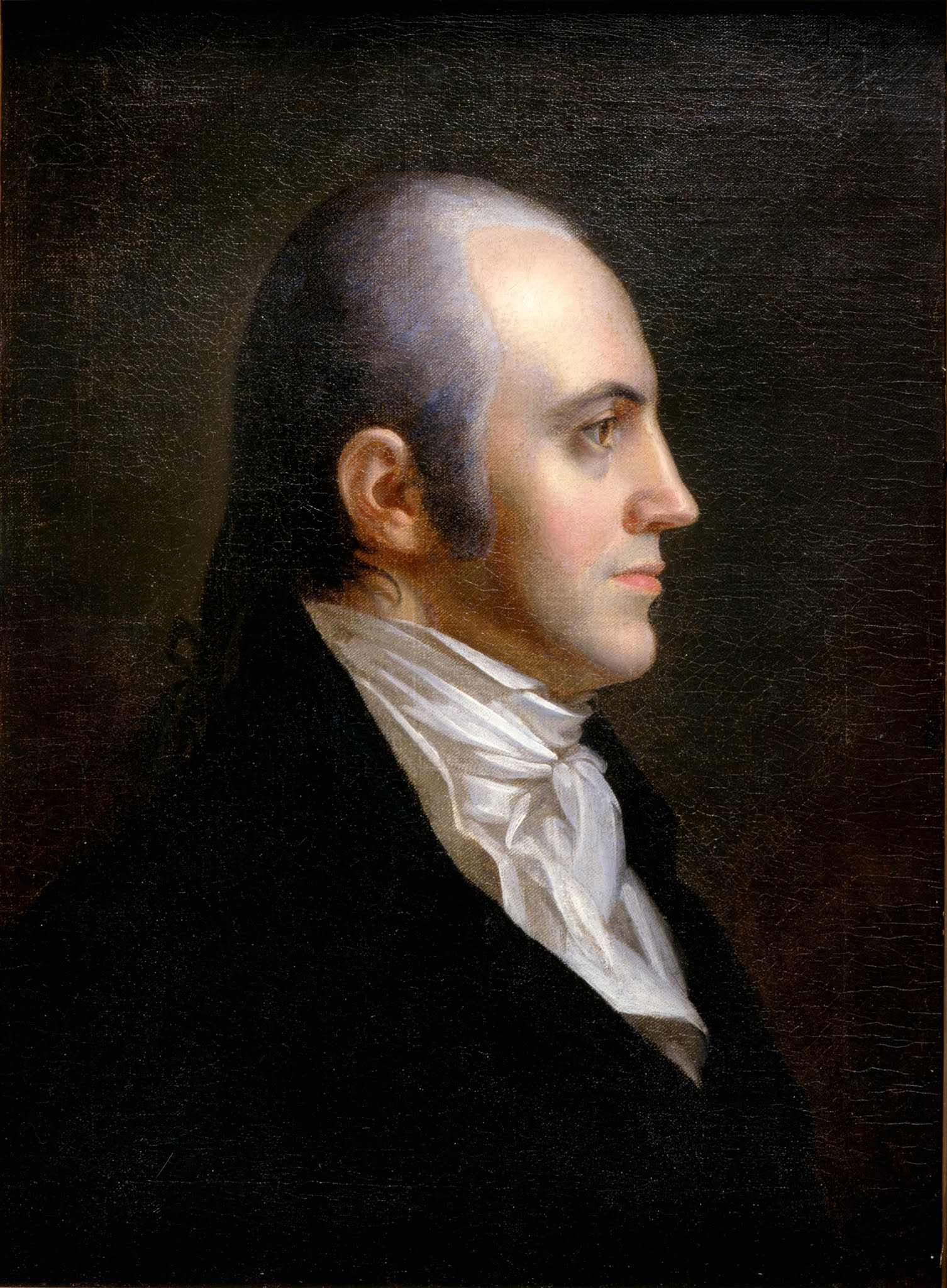
            In 1800 Brockholst, Aaron Burr and Alexander Hamilton served as the defense team for Levi Weeks who was accused of murdering Gulielma \”Elma\” Sands, a young woman who he was either courting or engaged to. Despite overwhelming evidence against Weeks, he was acquitted after five minutes of jury deliberation.

Alexander Hamilton

Aaron Burr


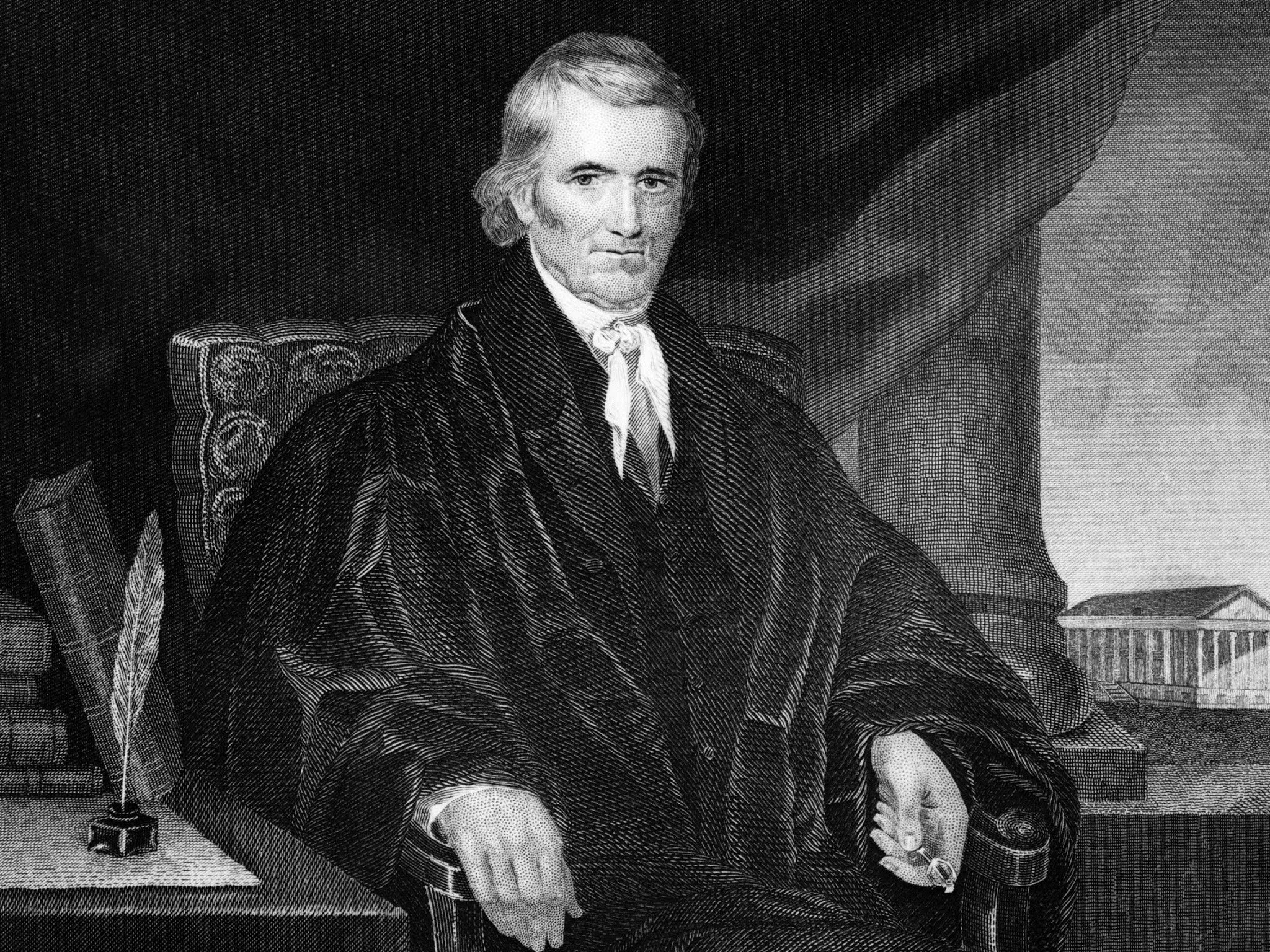
   In 1802 Brockholst was made a justice of the New York Supreme Court. A few years later Thomas Jefferson appointed him an associate justice of the Supreme Court in a recess appointment. This was probably a reward for the work Brockholst had done for Jefferson in New York in helping him get elected. He spent a great deal of his time on the bench agreeing with Chief Justice John Marshall.

Chief Justice John Marshall


            Brockholst held his supreme court seat until he died in Washington D.C. in 1823. He was buried in Greenwood Cemetery in Brooklyn, New York. He was mourned by nine children from three wives. 

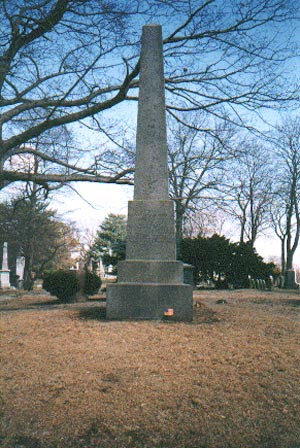
Brockholst\’s grave in Brooklyn


[1] Robert R. Livingston Papers, Reel 1

[2] “To George Washington from Henry Brockholst Livingston, 16 June 1782,” Founders Online, National Archives, https://founders.archives.gov/documents/Washington/99-01-02-08702

[3] “From George Washington to Henry Brockholst Livingston, 3 July 1782,” Founders Online, National Archives, https://founders.archives.gov/documents/Washington/99-01-02-08829

[4] “[Diary entry: 5 July 1790],” Founders Online, National Archives, https://founders.archives.gov/documents/Washington/01-06-02-0001-0007-0005. [Original source: The Diaries of George Washington, vol. 6, 1 January 1790 – 13 December 1799, ed. Donald Jackson and Dorothy Twohig. Charlottesville: University Press of Virginia, 1979, pp. 85–86.]


Pointy End Toward the Bad Guy: Chancellor Livingston\'s Sword

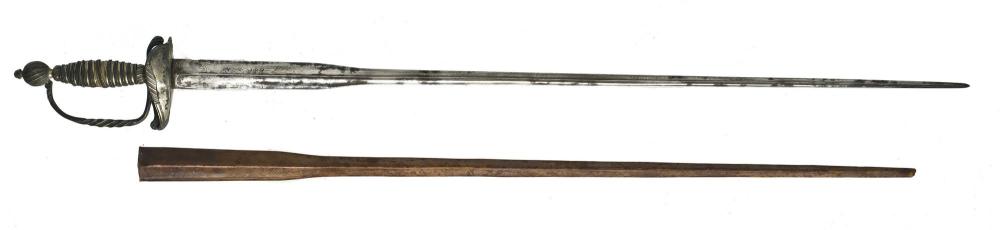
The Chancellor\’s colichemarde from the collection of the New-York Historical Society


Chancellor Robert R. Livingston was nothing if not a fashionable man. As such he frequently carried a sword. He was not a soldier, but the style of the time called for men of a certain position to carry a blade.

One of the swords that the Chancellor carried during his life was a small sword known as a colichemarde. The colichemarde was developed in the 1680’s and was extremely popular for about the next half century. The sword itself was transitional in nature, shorter and lighter than the rapier’s that proceeded it, hence “small sword”. Not that it was particularly small, the Chancellor’s sword was 39 ½ inches long from its steel tip to its ornate silver hit and grip. The silver work was created by silversmith John Parry of London. [i]

            Colichemarde blades were triangular in shape. The blade started fairly wide near the hilt, which made an excellent surface for parrying a blow from an enemy, but after several inches narrowed sharply to a thin blade with shape edges for slashing and a very sharp point made for lethal thrusting. These swords were ideal for use in duels.

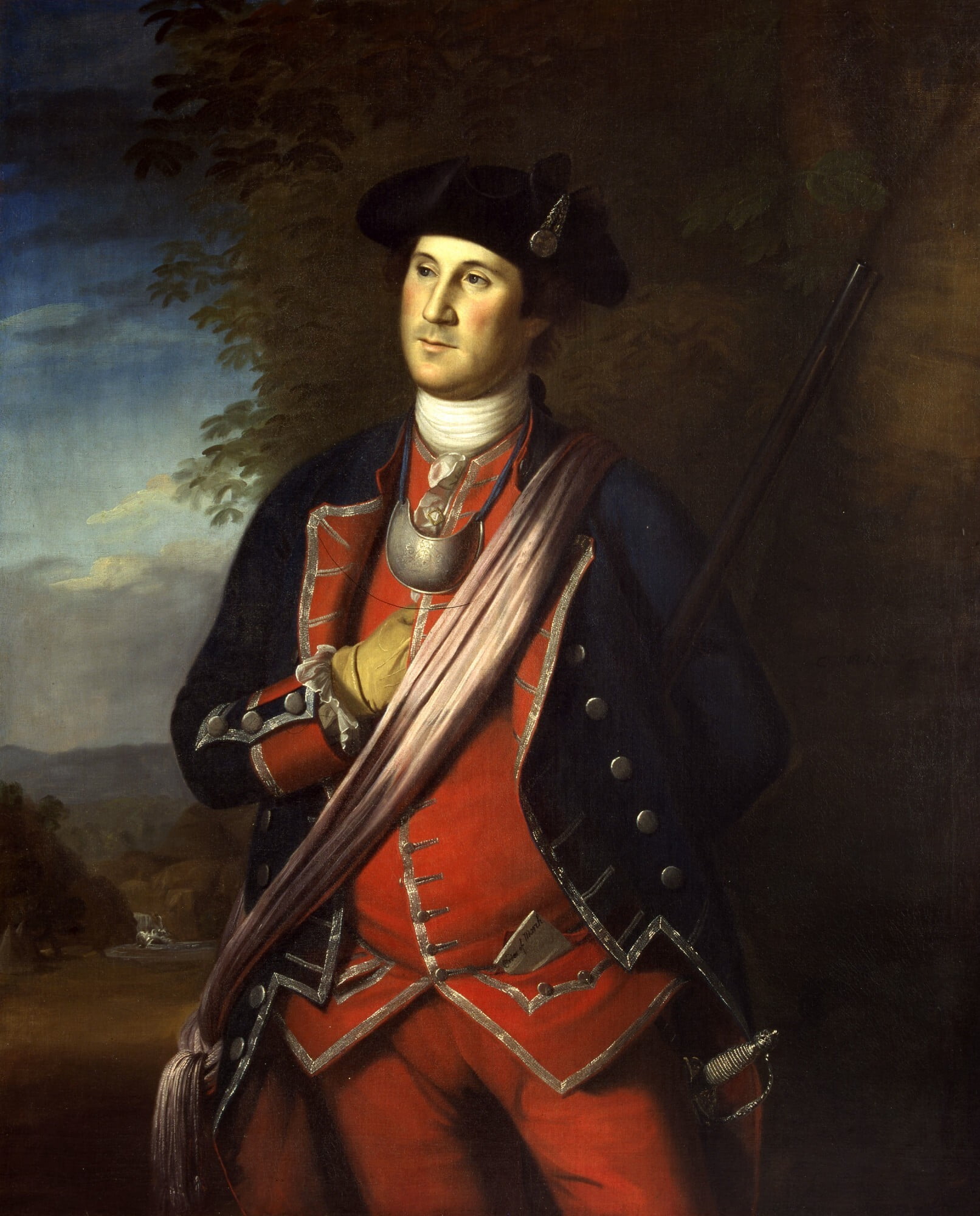
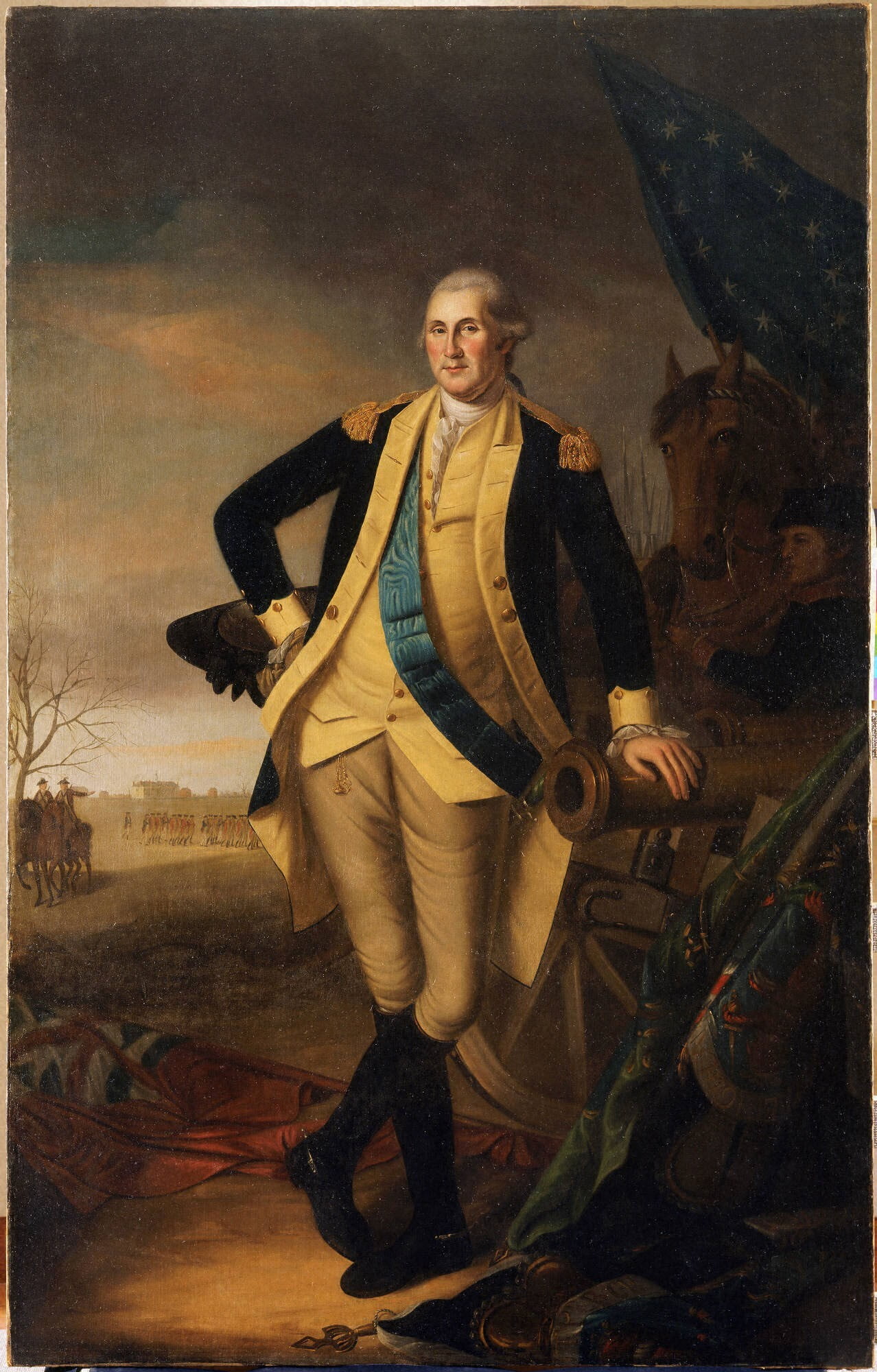
            The colichemarde sword was on its way out as a fashionable sword when the Chancellor was wearing it. Perhaps it would have gone completely out of style had not another famous American taken to wearing one during the French and Indian War, George Washington. Washington’s sword was even more ornate than the Chancellor’s. Historians at Mount Vernon believe that Washington is wearing the sword in at least two portraits done of him.[ii]

The hilt of the sword at Washington\’s hip appears to match the hilt of his colichemarde


Again, the hilt of the sword shown seems to match the hilt of Washington\’s colichemarde

            Click here to see one of Mount Vernon’s curators explore George Washington’s colichemarde.  

            As far as we know the Chancellor never fought a duel with his colichemarde, but he would have proved a lethal adversary with this blade in his hand. Had he. Perhaps his size and the sword on his hip prevented many duels he could have found himself in, were he a smaller man or carrying a different sword


[i] The Chancellor’s sword is in the collection of the New York Historical Society. Information about the blade comes from their online collections guide.

[ii] Information on George Washington’s colichemarde comes from George Washington’s Mount Vernon

Soldiers and Statesmen and Loyalists, Oh My! Lesser known Livingstons of the American Revolution


On this blog we often talk about Robert R. Livingston, Henry Beekman Livingston and Margaret Beekman Livingston and their importance during the American Revolution. However there were more than a few other Livingstons who played important roles in the war. From soldiers to statesmen and even loyalists you could swing a cat during the Revolution and not hit a Livingston.

    James Livingston was the grandson of Robert \”the nephew\” Livingston. Robert \”the nephew\” was the nephew (surprise, surprise) of Robert Livingston, the First Lord of Livingston Manor. He came to America to help his uncle with his business ventures. His grandson James was born in New York but was living in Quebec when the Revolution broke out. He raised a regiment of men, soon to be known as the 1st Canadian Regiment and joined his distant cousin by marriage, Richard Montgomery, at Chambly.

    After Chambly James took part in the Battles of Quebec City, Fort Stanwix, both Battles of Saratoga and the Battle of Rhode Island. Perhaps his most important contribution to the war effort came in 1780 while he was in command at Verplanck\’s Point. His men spotted a British ship in the river and James gave the order to fire on it, driving it back down the river. This turned out to be the Vulture which was supposed to carry Major John Andre to New York City with the plans for West Point that he had obtained from Benedict Arnold. With his ship gone, Andre was forced to travel on foot and was captured, unravelling the entire plan.

    Philip Livingston was the son of Philip Livingston, the Second Lord of Livingston Manor. The

Philip \”The Signer\”

younger Philip was a merchant in New York City before the war. He was also something of a politician. He was a member of the Albany Congress in 1754, where Benjamin Franklin first proposed a plan of union for the thirteen colonies. Philip was also a member of the Stamp Act Congress in 1765. When the war broke out several of his houses around New York City were occupied by the British while his house on Long Island was briefly used by George Washington\’s as a headquarters. He became a member of the First and Second Continental Congresses. During the Second Continental Congress he signed the Declaration of Independence.  When Philadelphia fell in 1777 it moved to York where Philip continued to serve despite declining health. He passed away in York in 1778.


William Livingston

William Livingston was another son of Philip Livingston, the Second Lord of Livingston Manor. He attended Yale like his brother. He became a lawyer and publisher of a weekly journal in New York City. In 1772 William moved to New Jersey. He was appointed to Congress from July of 1774 to June of 1776 when he was not reappointed for not backing Independence. However he must have come around as he was soon appointed brigadier general of the New Jersey militia, where he would be in almost constant movement and communication with George Washington as New Jersey proved to be a frequent meeting place for the Continental and British armies. In 1776 William was elected governor of New Jersey, a position he held into his death in 1790. In 1787 William attended the Constitutional Convention and became one of the signers of the document.

William Alexander, Lord Stirling

    A Livingston by marriage to Philip Livingston the Second Lord of Livingston Manor\’s daughter Sarah, William Alexander rose to the rank of major general during the Revolution. Alexander was heir to the title of Earl of Stirling but was denied the title by the House of Lords in 1762. Despite this he referred to himself as Lord Stirling for the rest of his life. During the Battle of Long Island Lord Stirling led a rearguard action that saved the American army but cost Lord Stirling his freedom. He was exchanged in a prisoner exchange and went on to serve at Trenton, Brandywine, Germantown and Monmouth. He also helped to expose the Conway Cabal that planned to replace George Washington with Horatio Gates. Lord Stirling died in Albany shortly before the war ended probably of the effects of alcoholism. 

    On the loyalist side Captain Martin Livingston led a company of loyalists in South Carolina. His brother Michael served as a sergeant in his company. Martin served as Savannah but was killed on April 24, 1781 at Camden, South Carolina in skirmishing before the Battle of Hobkirks Hill or the Second Battle of Camden where American forces led by Nathaniel Greene faced off against British soldiers and loyalists under the command of Francis Rawdon. 

    However Martin and Michael were not true Livingstons. Their parents were Swiss with the last name Liebenstein. When the parents moved to America they anglicized their name to Livingston. 

    We have only begun to scratch the surface of Livingstons in America. In the coming years you can look forward to more information about Livingstons famous and not.